The Complete Guide to Winter Concrete Maintenance and Protection
Three years ago, during the worst winter storm our region had seen in a decade, a brand-new fifteen thousand dollar concrete driveway turned into a scaling, spalling nightmare in a single season. The light-gray surface flaked away like dry paint, leaving behind a pitted, rough expanse of exposed aggregate. That painful morning sparked my deep dive into the hidden chemistry of cement, the physics of trapped water, and the exact routine of winter concrete maintenance.
Concrete looks rock-solid to anyone walking over it. Underneath, a slab acts like a hard sponge filled with microscopic capillary networks. Protecting this investment means tracking how low temperatures, moisture, and chemical de-icers attack those hidden pores throughout freezing weather.
This guide details the exact steps used by seasoned contractors to shield driveways and walkways. Following these methods helps prevent expensive surface loss and preserves your hardscape for decades.
Key Takeaways for Winter Concrete Protection
- Water Expansion Damage: Water expands nine percent when freezing, creating up to thirty thousand pounds per square inch of pressure inside unsealed pores.
- Sealer Selection Matters: Penetrating silane-siloxane products protect outdoor surfaces by lining capillary walls without trapping sub-surface vapor.
- Avoid Rock Salt: Sodium chloride accelerates freeze-thaw cycles and strips fresh or unsealed surfaces rapidly.
- Pre-Winter Inspection: Sealing every crack wider than one-sixteenth of an inch before the first freeze prevents deep water intrusion.
- Proper Snow Removal Equipment: Rubber-edged shovel blades and adjusted snowblower shoes stop gouging on frozen surfaces.
The Physics of Frost: Why Cold Weather Destroys Untreated Slabs
Destruction begins silently on a crisp autumn evening when rain soaks into the slab. As night drops temperatures below freezing, that trapped liquid undergoes a violent physical change. Water expands as it turns to solid ice, swelling by nine percent inside tight spaces.
Inside the cement matrix, this sudden growth builds hydraulic pressure within tiny capillaries. When concrete lacks enough room or entrained air voids, pore walls burst open. Thousands of micro-bursts across one winter cause severe concrete freeze thaw damage.
This internal stress breaks out on the surface in obvious ways. Homeowners wake up in spring to find distinct structural damage patterns across their property.
- Spalling and Scaling: The smooth top layer of cement paste flakes away in thin sheets, revealing coarse gravel beneath.
- Popouts: Water-soaked stones inside the slab freeze and burst outward, leaving small cone-shaped craters.
- D-Cracking: Lines of fine cracks run parallel to joints where standing water sits along poorly drained edges.
- Surface Craze Cracking: Web-like networks of fine hairline cracks open when surface moisture freezes rapidly.
Chemical de-icers make this physical stress far worse. Common compounds like rock salt drop the freezing point of water, forcing ice into liquid form. That liquid then creeps deeper into open pores.
When temperatures drop further, the solution refreezes, hitting the slab with up to four times more freeze-thaw cycles each day than natural weather creates on its own.
The Autumn Ritual: Winterizing Concrete Driveway and Walkway Surfaces
Preparation starts long before snow clouds roll across the sky. October offers the right weather window for winterizing concrete driveway surfaces, providing mild air temperatures between fifty and seventy degrees Fahrenheit for proper patch curing.
First comes a complete surface scrub to remove grease, tire marks, and leaf debris. Oils left on the slab create a barrier film that stops protective sealers from bonding with the minerals inside.
Step 1: Deep Washing and Degreasing
Pressure washing at three thousand pounds per square inch blasts embedded dirt out of deep pores. Combining high pressure with a biodegradable degreaser lifts oil stains left by parked trucks. The slab must dry for seventy-two hours before any sealer touches it.
Step 2: Crack Identification and Preparation
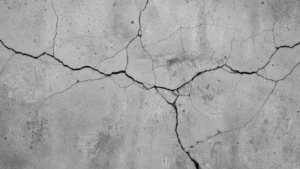
Open cracks act like open pipes, dumping rainwater straight down to the gravel sub-base underneath. When sub-base moisture freezes, it pushes the entire slab upward, causing shifting and heavy breaking. Checking every foot of the slab reveals which spots need fast repairs. Learn step-by-step techniques in our concrete crack repair guide.
- Cracks smaller than one-sixteenth of an inch need liquid masonry filler squeezed through a fine nozzle.
- Cracks between one-sixteenth and one-half inch require routing with a diamond blade grinder to create a clean square channel.
- Deep cracks need synthetic foam backer rod stuffed into the gap before applying polyurethane sealant.
Flexible polyurethane sealants let the slab expand and contract naturally during wild temperature swings. Rigid mortar patches break apart during the first hard freeze and should stay off moving joints.
Sealer Solutions for Winter Concrete Maintenance
Choosing the right sealer product is the single most important choice in your winter concrete maintenance routine. Film-forming acrylic products look shiny, but they trap ground moisture underneath, leading to cloudy spots and peeling during sub-zero stretches.
Penetrating sealers deliver far better long-term protection for outdoor slabs. These formulas soak up to three-eighths of an inch into the concrete matrix. Once inside, they react with free lime to create a water-repelling barrier within the capillary pores. Homeowners interested in professional application can explore our concrete sealing services.
| Sealer Type | Mechanism of Action | Lifespan | Best Application Scenario |
|---|---|---|---|
| Silane-Siloxane Hybrid | Soaks into pores, forms water-repelling chemical barrier | 5 to 10 Years | Residential driveways, walkways exposed to heavy de-icers |
| Pure Silane | Deep penetration with small molecular structure | 7 to 10 Years | Dense concrete slabs and heavy traffic areas |
| Pure Siloxane | Large molecular structure, stays near surface | 3 to 5 Years | Porous concrete, brick pavers, decorative block |
| Acrylic Film-Former | Creates surface coating barrier film | 1 to 3 Years | Decorative stamped concrete requiring high gloss look |
Silane-siloxane blends stand out as the top choice for home winter care. Smaller silane molecules sink deep into dense concrete, while larger siloxane molecules seal near the surface, forming dual-layer water defense.
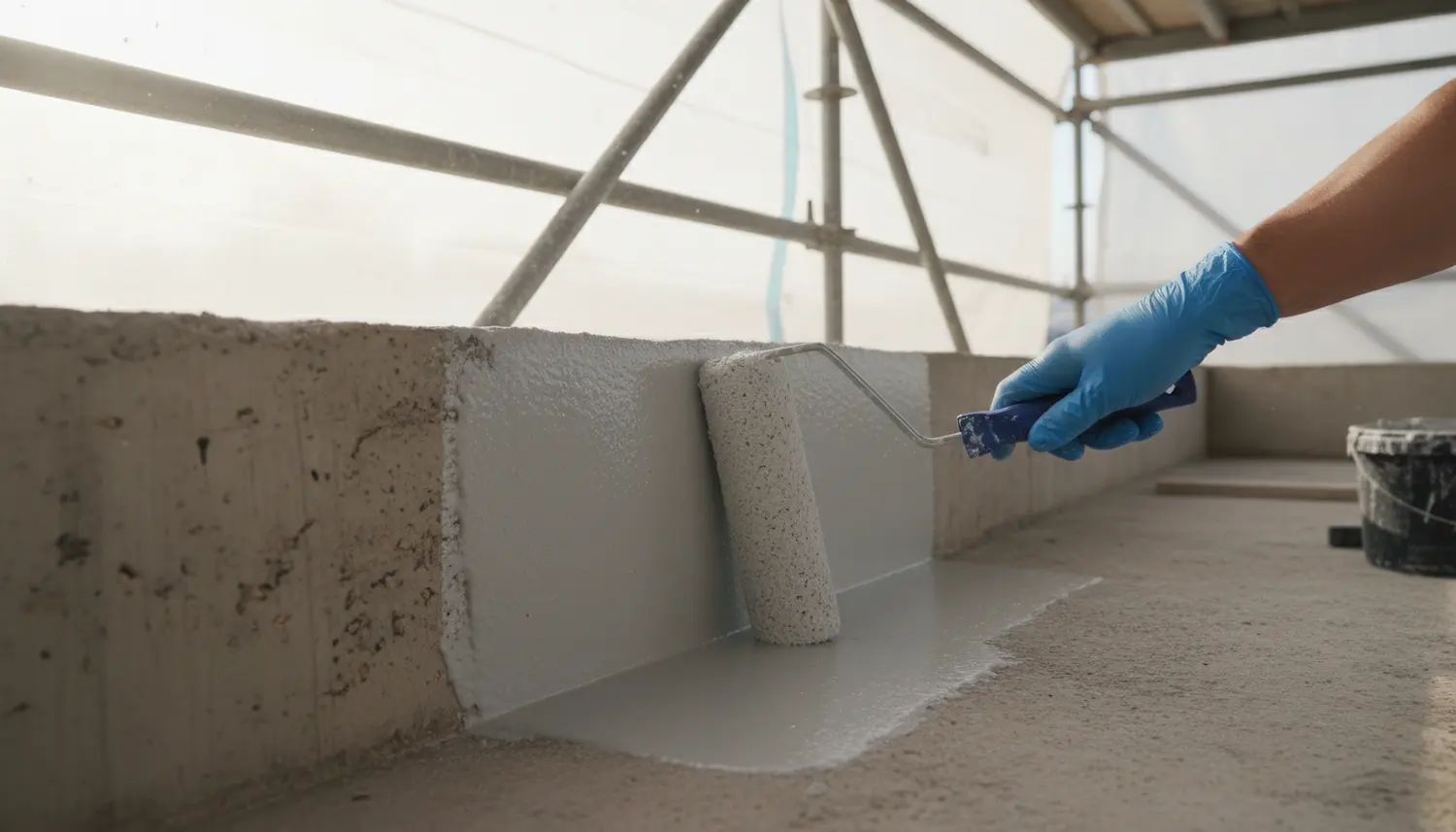
Spraying requires a low-pressure pump sprayer used evenly at a rate of one hundred fifty to two hundred square feet per gallon. Saturating the surface without pooling ensures uniform protection across the whole driveway.
Chemical De-Icers Demystified: Safe vs Destructive Products
Walkways turn into ice rinks during winter storms, leading many property owners to throw heavy salt across their paths. Picking the wrong melting chemical causes harsh damage to cement paste, turning smooth slabs into crumbly rock over a few winters.
Understanding how common melting compounds react helps prevent damage while keeping paths safe for walking.
Sodium Chloride (Rock Salt)
Standard rock salt costs little and fills store shelves, but it attacks concrete aggressively. Rock salt melts ice down to fifteen degrees Fahrenheit while releasing chloride ions that rust internal rebar. Expanding rust pops off large chips of concrete from within.
Calcium Chloride
Calcium chloride works down to minus twenty-five degrees Fahrenheit, melting ice rapidly through a reaction that gives off heat. This rapid melting action multiplies freeze-thaw cycles on the slab, pulling water into surface layers if concrete remains unsealed.
Magnesium Chloride
Magnesium chloride melts ice down to five degrees Fahrenheit and inflicts less harm on lawn grass. High levels of magnesium ions react with binding compounds in cement, slowly converting strong paste into soft sludge over several seasons.
Calcium Magnesium Acetate (CMA)
Calcium Magnesium Acetate offers the safest option for keeping concrete intact and protecting local soil. Made from acetic acid, CMA creates little corrosion on metal rebar while keeping nearby plant roots safe. It works down to twenty degrees Fahrenheit by stopping ice crystals from sticking to concrete surfaces.
Natural Traction Alternatives
Skipping chemical melters entirely offers maximum safety for new concrete poured within the last year. Spreading dry coarse sand, clean grit, or non-clumping cat litter gives instant traction without triggering chemical damage or accelerating freeze-thaw cycles.
Snow Removal Tactics That Prevent Surface Gouging
Physical snow clearing causes noticeable damage to frozen slabs every winter. Heavy steel shovel edges, bent snowblower scrapers, and plow blades shear off edges along joints and expansion seams.
Using proper clearing habits stops mechanical wear while keeping driveways free from hard snowpack.
- Swap steel shovels for high-density plastic or rubber-edged tools.
- Raise snowblower skid shoes so the metal blade sits one-quarter inch above stamped or aggregate concrete.
- Avoid hammering metal picks or heavy bars directly onto concrete to break up ice sheets.
- Clear snow right after storms before tires pack it into solid ice layers.
Leaving packed snow on driveways during sunny days creates a melt-and-freeze cycle on the slab. The sun melts upper snow layers, sending water into micro-cracks where it freezes again as afternoon shadows fall.
Mid-Winter Care: Managing Freeze Thaw Slush and Drainage
Winter concrete protection requires constant attention through the coldest months. Poor roof drainage systems often dump large volumes of water onto driveways and paths, creating localized spots of intense freeze-thaw stress.
Downspout extensions should direct meltwater from roof gutters at least five feet away from concrete onto well-drained lawn areas. Snowbanks cleared from driveways should sit downhill from the slab to stop meltwater from running back across concrete during mid-winter thaws.
Cars parked on driveways carry hundreds of pounds of slush packed with road salt picked up from public streets. Parked cars drop this salty slush right onto driveway bays, concentrating chloride compounds under vehicle tires.
Shoveling away salty slush dropped by parked vehicles prevents severe surface damage in garage entryways. Heavy-duty rubber parking mats inside garages catch salty runoff before it touches raw indoor concrete floors.
Post-Winter Inspection and Spring Recovery
When spring thaws arrive, concrete surfaces need immediate care to clear away leftover salt, sand, and chemical residue.
Leaving salt residue on concrete through warm spring thaws accelerates subsurface chemical damage. Warm weather speeds up chemical reactions, making leftover chloride ions far more aggressive against unsealed concrete.
Step 1: Deep Washing
Rinsing the surface thoroughly with fresh water using a garden hose or low-pressure washer flushes away chemical de-icers. A stiff broom combined with a pH-neutral cleaner lifts ground-in sand and salt crusts out of open pores.
Step 2: Damage Evaluation
Inspect the dry slab for fresh spalling, degraded joint sealant, or new cracks. Catching micro-cracks early stops small issues from turning into complete slab failures during future winter cycles. If severe spalling or shifting occurs, review our comprehensive driveway repair solutions.
Step 3: Spot Repairs and Sealer Maintenance
Fill fresh hairline cracks using elastomeric polymer fillers matched to your concrete color. Check the water-beading performance of your silane-siloxane sealer by splashing clean water onto various driveway spots.
When water beads into tight drops, the protective barrier remains intact. If water soaks in quickly and turns the slab dark grey, plan a fresh sealer application for the coming autumn.
Long-Term Schedule for Winter Concrete Maintenance
Following a steady calendar schedule ensures your concrete stays structurally solid and clean regardless of winter severity. Concrete preservation requires steady upkeep rather than reactive repairs after damage appears.
- Early Autumn (September-October): Wash surfaces, seal cracks, replace worn expansion joints, and apply penetrating sealer every three to five years.
- Late Autumn (November): Clean gutters, attach downspout extensions, buy safe CMA de-icers, and switch to rubber-edged shovels.
- Mid-Winter (December-February): Clear snow early, sweep away vehicle slush, apply sand for traction, and watch drainage during thaws.
- Early Spring (March-April): Flush surface salts with fresh water, check for winter damage, clean stains, and test water-beading action.
Putting a little effort into winterizing concrete driveway surfaces pays huge dividends over time. A well-sealed concrete slab easily reaches a service life beyond forty years, standing up to harsh freezing conditions year after year.
Understanding the forces of freezing water and chemical de-icers gives homeowners total control over their outdoor hardscapes. Smart prevention remains the most effective tool for maintaining strong, smooth, spall-free concrete through every winter storm.