Choosing the Best Safe Deicer for Concrete Surfaces
The Winter My Driveway Crumbled
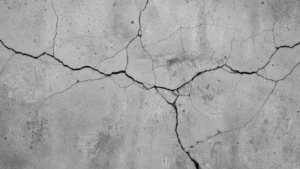
On January 14, eight inches of wet snow blanketed our commercial property as temperatures plummeted to twelve degrees Fahrenheit. Desperate to keep walkways open, our maintenance crew scattered hundreds of pounds of standard rock salt across five thousand square feet of fresh concrete. March arrived with a bitter realization when the previously smooth surface dissolved into a pitted mess of loose gravel and flaking cement paste.
That eighteen-thousand-dollar repair bill served as an expensive lesson in winter chemistry. Watching fresh concrete crumble forces a person to look closely at what actually happens beneath the ice. Unwitting property owners ruin solid structural investments every winter simply by grabbing the wrong bag at the supply shop.
Finding a safe deicer for concrete requires a realistic look at freeze-thaw mechanics and winter physics. The right choice keeps foot traffic moving safely without turning expensive hardscaping into dust.
The Hidden Science of Concrete Surface Damage
Concrete looks completely solid, yet it acts like a dense, rigid sponge laced with micro-capillary pores. Midday winter sun melts snow into slush, which seeps deep into those unsealed internal pathways. Night falls, temperatures plunge, and trapped water expands by nine percent within those narrow spaces.
Rock salt forces water to stay liquid at sub-freezing temperatures, artificially multiplying standard freeze-thaw cycles. Walkways that normally experience two freeze cycles a day suddenly undergo up to twenty per week. Hydraulic pressure builds inside the internal matrix, blowing off top layers of cement in ugly flakes.
Physical pressure tells only half the story. Chloride ions migrate down to embedded steel rebar, kicking off aggressive rust build-up deep inside the slab. That expanding iron oxide swells up to six times its initial volume, splitting thick concrete from within.
Evaluating Common Ice Melters Under Real Conditions
Five winter seasons of field testing exposed dramatic differences between common melters. Sodium chloride stays cheap, but its aggressive action destroys concrete poured within its first year. Performance drops off cliff-style around twenty degrees Fahrenheit, leaving treacherous slush behind to freeze solid overnight.
Calcium chloride works in extreme cold down to minus twenty-five degrees Fahrenheit by generating heat upon contact with moisture. That sudden thermal spike shocks frozen slabs, triggering micro-fractures along expansion joints. To make matters worse, it draws moisture straight out of the surrounding air, keeping surfaces wet long after ice disappears.
Magnesium chloride keeps ice clear down to minus five degrees Fahrenheit and spares nearby grass. Behind the scenes, it reacts directly with calcium hydroxide inside hydrated cement. The chemical swap degrades internal binding compounds into weak silicates, slowly eroding structural load capacity over time.
Deicer Chemical Performance Comparison
| Deicing Agent | Lowest Effective Temp (°F) | Concrete Damage Risk | Environmental Impact |
|---|---|---|---|
| Sodium Chloride (Rock Salt) | 20°F | High (Spalling and Corrosion) | High |
| Calcium Chloride | -25°F | Moderate to High (Thermal Stress) | Moderate |
| Magnesium Chloride | -5°F | Moderate (Chemical Degradation) | Moderate |
| Calcium Magnesium Acetate (CMA) | 20°F | Very Low | Very Low (Biodegradable) |
| Potassium Formate | -30°F | Very Low | Low |
Discovering Superior Ice Melter Alternatives
Searching for a gentle alternative led us toward non-chloride options. Calcium magnesium acetate, or CMA, works through a completely different physical mechanism than old-school salts. Rather than melting ice into brine, it breaks the bond holding ice sheets onto concrete.
Tests show CMA causes no more corrosion than municipal tap water, leaving rebar and metal hardware untouched. It performs down to twenty degrees Fahrenheit while leaving internal capillary networks intact. Natural degradation converts CMA into simple organic matter, keeping lawn borders and shrub beds safe.
Airports rely heavily on potassium formate for clearing active runways in heavy winter storms. It cuts ice down to minus thirty degrees Fahrenheit without releasing destructive chloride ions into the slab. Higher production costs make it best suited for targeted use on high-value decorative stonework or fresh entryways.
Key Criteria for Selecting a Safe Winter Ice Melter
Choosing an appropriate deicing strategy requires checking concrete age alongside forecast temperatures. Slabs poured within the past twelve months must never contact chemical deicers, despite reassuring marketing claims on packaging. Fresh concrete holds high internal moisture and fragile chemical bonds, making top-layer flaking almost guaranteed.
Actual air temperature during a snowstorm dictates which chemical combination maintains safety without driving freeze cycles. Blends mixing small portions of calcium chloride with CMA manage sudden deep freezes effectively. Pure CMA handles moderate winter conditions above twenty degrees Fahrenheit while offering reliable surface protection.
Even distribution prevents dangerous chemical concentration in surface low spots. A calibrated mechanical spreader keeps application light, targeting two to four ounces per square yard. Sweeping away remaining residue once paths clear prevents extended exposure across the slab.
Step-by-Step Winter Maintenance Protocol
Protection starts long before cold fronts roll over the horizon. Applying a silane-siloxane penetrating sealer every two years seals off porous surfaces while letting internal moisture vapor escape. This protective coating cuts liquid intake by up to ninety percent, stopping expansion damage before it begins.
Physical shoveling remains the most effective defense against snow buildup. Clearing fresh snow using rubber-edged blades reduces the volume of chemicals needed to clear walkways. Distributing a safe deicer for concrete after scraping removes stubborn ice films without creating concentrated liquid pools.
Watching ambient temperature changes gives maintenance teams time to sweep off liquid slush before sunset. Clearing wet slush stops water from soaking deep into capillary pores prior to overnight freezes. Combining penetrating sealers, quick shoveling, and smart chemical selection keeps walkways safe all winter long.
Key Takeaways for Winter Concrete Protection
Long-term surface care requires stepping away from harsh chloride salts in favor of smarter melting methods. Choosing a safe deicer for concrete preserves structural stability while keeping walkways open for foot traffic.
- Keep chemical deicing agents off concrete installations under one year old.
- Select calcium magnesium acetate or potassium formate to avoid chloride exposure.
- Apply a silane-siloxane sealer every two years to block water absorption.
- Clear snow mechanically prior to spreading melters to minimize chemical usage.
- Sweep off residual slush before nighttime temperature drops trigger refreezing.