

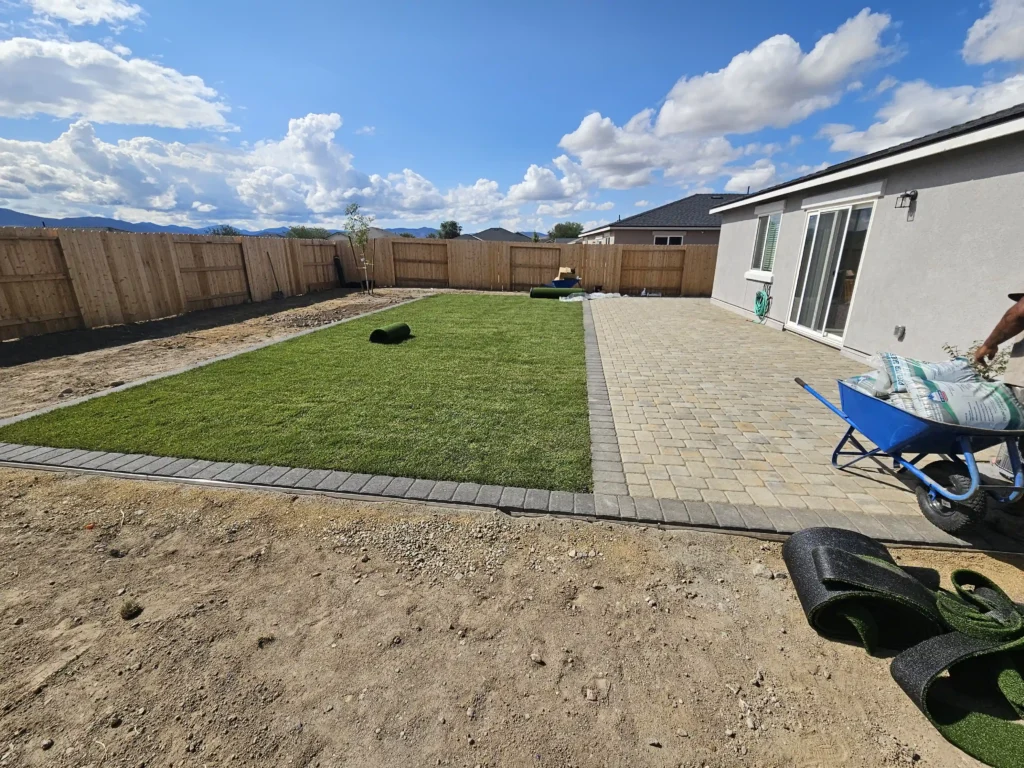
Professional Paver Installation Services: Transform Your Outdoor Space
Did you realize that a shocking 60% of paver patio disasters originate from inadequate base work? This statistic, emphasized in a report by the Interlocking Concrete Pavement Institute (ICPI), shows the importance of understanding every detail of paver installation services. I have personally seen how expertly installed pavers can completely change any property. Pavers provide unmatched design possibilities, turning ordinary driveways into impressive entrances and regular backyards into custom retreats. To achieve lasting results takes more than simply laying stones; it calls for deep knowledge of materials, methods and the effect of local weather. Consider this guide a collection of ideas I have learned, offering tips and tested methods to help you as you explore paver installation services.
The Significance of Professional Paver Installation
The do it yourself approach may seem appealing, especially with many online tutorials, but paver installation is a complicated project that requires specific skills and training. I have come across many projects where homeowners tried to install pavers themselves, only to experience issues such as:
- Uneven Surfaces and Tripping Hazards: Poor compaction and leveling create uneven pavers, which create safety risks.
- Water Damage and Drainage Problems: Bad grading or not enough drainage leads to water buildup, causing erosion and structural issues.
- Weed Growth and Insect Infestations: Gaps from bad installation create perfect places for weeds and pests to grow.
- Paver Shifting and Cracking: Not enough base work and lack of edge supports will cause pavers to move, crack and sink over time.
These problems damage the look of your pavers and reduce their structural strength and how long they last. When you trust your project to professional paver installation services, you guarantee proper work from the start, preventing expensive fixes and increasing the life of your investment.
Factors Influencing Paver Installation Cost
Many things affect the overall paver installation cost. I always tell my customers to think about these things when planning their paver project:
- Project Size and Complexity: Bigger and more complex projects require more labor, materials and time, which increases costs.
- Paver Type: Different types of pavers have different prices. Natural stone pavers usually cost more than concrete pavers.
- Base Preparation: How much base work is needed depends on the soil and how the pavers will be used. Unstable soil may require a lot of digging and reinforcement, which increases the overall cost.
- Permits and Inspections: Depending on where you are and the project size, permits and inspections might be needed, adding to the total paver installation cost.
- Labor Costs: Labor costs change based on how experienced the installers are and the typical pay in your area.
I give my customers clear and complete estimates that explain all costs, making sure there are no surprises later.
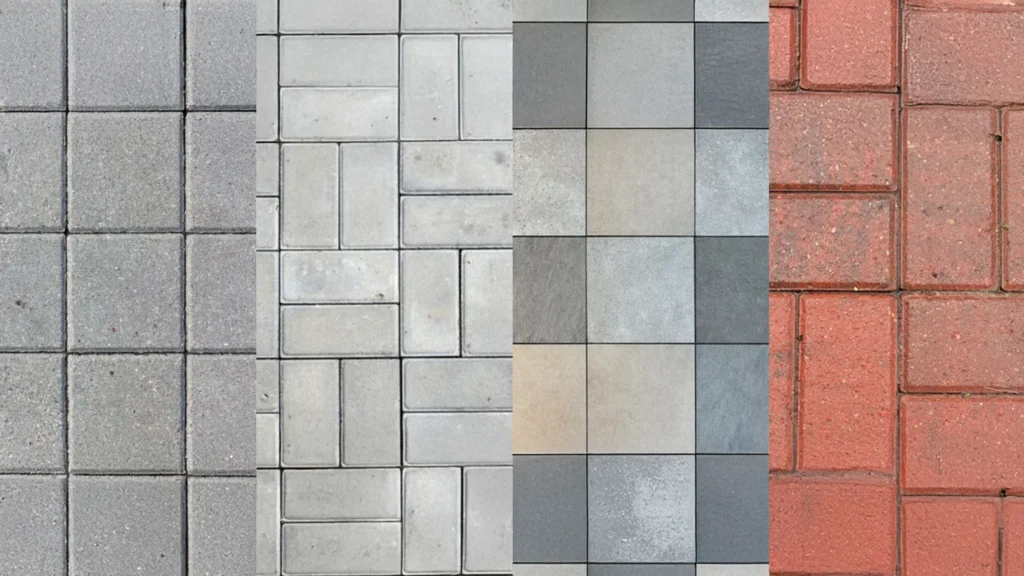
Exploring Different Types of Pavers for Your Project
Choosing the right types of pavers is important for getting the look and use you want for your outdoor space. I have worked a lot with different paver materials and I can confirm the unique features and benefits of each:
- Concrete Pavers: Concrete pavers are popular because they are affordable, strong and versatile. They come in many colors, shapes and sizes and offer many design options. I have installed concrete pavers for many driveways, patios, walkways and pool decks.
- Brick Pavers: Brick pavers have a classic charm, adding warmth to any outdoor area. They are known for being strong and weather resistant and they work well in high traffic areas. I recently finished a great brick paver patio for a customer who wanted to recreate the feel of a traditional courtyard.
- Natural Stone Pavers: Pavers made from natural stone like bluestone, travertine and flagstone are very sophisticated. They are very strong and resistant to damage, making them a good long term investment. I often suggest natural stone pavers to customers who want a truly unique and luxurious outdoor living space.
- Porcelain Pavers: Porcelain pavers are becoming more popular because they are very strong, stain resistant and easy to care for. They also come in different colors and patterns that look like natural stone and other materials. I have been especially impressed by how well porcelain pavers hold up, especially in areas where spills and stains are common.
When I suggest the best types of pavers for a project, I carefully consider what the customer wants, their budget and how they plan to use the space.
A Comprehensive Guide to the Paver Installation Process
The paver installation process requires careful planning and exact work. I follow a tested method to ensure the best quality in every project I do:
- Site Preparation: I start by clearing the area of plants, obstacles and existing structures. Next, I dig the area to the needed depth, considering the paver thickness, base material and desired finished height.
- Base Installation: The base is most important for how stable and well your pavers perform over time. I usually use a compacted layer of crushed stone or gravel for the base. It is important to make sure this layer is level and provides good drainage. If you do not prepare the base correctly, it will fail.
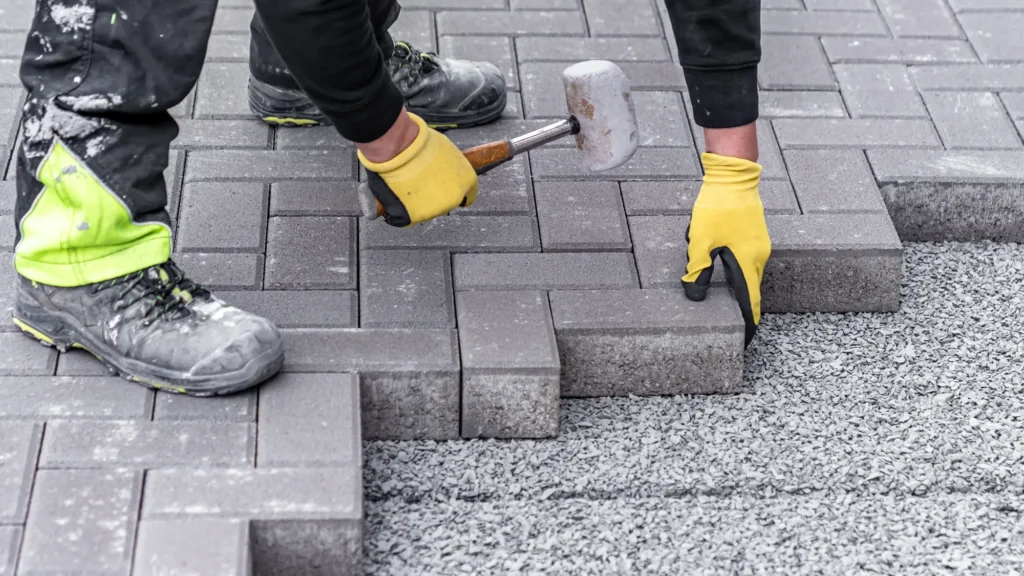
- Paver Laying: Once the base is ready, I carefully place the pavers based on the chosen pattern. I use string lines and levels to keep consistent spacing. Using a rubber mallet, I gently set the pavers, making sure they are firmly in the base material.
- Edge Restraints: These prevent the pavers from moving over time. I typically use plastic or metal edging, securing it to the ground with spikes.
- Joint Sanding: After the pavers are in place and the edge restraints are secure, I fill the joints with polymeric sand. This sand helps lock the pavers together and stops weeds and pests from getting in.
- Compaction: I finish by using a plate compactor to compact the entire surface. This makes sure the pavers are locked in place and perfectly level.
I carefully pay attention to every detail during the paver installation process, ensuring a good looking and structurally sound finished product.
Essential Paver Maintenance Tips for Long-Lasting Beauty
Proper paver maintenance keeps your pavers looking good and extends their life. I suggest these simple steps:
- Regular Cleaning: Sweep or blow off your pavers regularly to remove dirt, leaves and debris. I also suggest pressure washing them every year to remove tough stains or mildew.
- Sealing: Sealing protects your pavers from stains, fading and weather. I suggest sealing every two to three years, based on the type of sealer used and how much weather exposure there is. I have seen that sealing greatly increases how long pavers last.
- Weed Control: Put weed killer on the joints to stop weed growth. Polymeric sand can also help.
- Joint Sand Replenishment: The sand in the joints can wear away over time because of weather and traffic. Replace it as needed to keep the paver surface stable.
- Repairing Damaged Pavers: Quickly replace any cracked or broken pavers to prevent more problems.
If you follow these paver maintenance tips, you can keep your pavers looking great for many years.
Addressing Common Paver Installation Problems Effectively
Even with careful planning, some issues might happen during or after paver installation. I have learned to expect and fix these common problems:
- Settling and Sinking: This is often because of not enough base compaction or not enough drainage. I fix this by lifting the pavers, re compacting the base and reinstalling the pavers.
- Weed Growth: Like I said before, weeds can be a constant problem. I suggest using polymeric sand and putting on weed killer regularly.
- Efflorescence: This shows up as a white powdery material on the surface of concrete pavers. It is natural and caused by mineral salts moving to the surface. A special cleaner usually fixes this.
- Staining: Stains from oil, grease or other things can be hard to remove. Use a paver cleaner made for that type of stain.
- Cracking: Cracking can happen for different reasons, such as too much weight, frost or a bad base. Pavers that are badly cracked must be replaced.
I have the skills and tools to find and fix any paver installation problems that might come up, making sure your pavers stay in good shape.
Paver Installation Services: Selecting the Ideal Contractor
Choosing the right contractor for your paver installation services is most important for a successful project. I tell my customers to think about these things when choosing a contractor:
- Experience and Expertise: Find a contractor who has successfully installed pavers many times. Ask for references and look at examples of their past work.
- Licensing and Insurance: Make sure the contractor has the needed licenses and insurance. This protects you from legal responsibility if there are accidents or property damage.
- Reputation: Look at online reviews and customer comments to see the contractor’s reputation and customer service.
- Warranty: Ask about the contractor’s warranty for their work and the materials used. A good contractor will stand by their work.
- Communication: Choose a contractor who communicates clearly and answers quickly, keeping you informed during the project.
I am proud of my dedication to quality, professionalism and customer satisfaction. I am sure I can give you the best paver installation services available.
The Future of Paver Installation: Emerging Trends and Innovations
The paver installation industry is always changing, with new technologies and trends coming out. I keep up with the latest improvements to give my customers the newest and most effective options:
- Permeable Pavers: These pavers are made to let rainwater go through the surface and into the ground, which reduces stormwater runoff and improves water quality.
- Heated Pavers: Heated pavers are becoming more popular in colder areas because they provide a safe and ice free surface during the winter.
- Smart Pavers: These pavers can connect with lighting, audio and other smart home systems to create a fully connected outdoor living space.
- Recycled Pavers: Recycled pavers are made of recycled materials such as plastic and rubber and they offer a sustainable option.
I am excited about the future of paver installation and dedicated to adding these new technologies to my projects.
Paver Installation Cost: Illustrative Examples
To give you a better idea of paver installation cost, here are some examples from projects I have done:
- Small Patio (150 sq ft): Concrete pavers, basic base preparation: $3000 to $5000
- Medium Driveway (500 sq ft): Concrete pavers, moderate base preparation: $7500 to $12500
- Large Pool Deck (1000 sq ft): Natural stone pavers, extensive base preparation: $20000 to $40000+
These numbers are estimates and the actual cost of your project could be different based on the things I mentioned before. Contact me for a free meeting and a detailed estimate.
The Enduring Value of Professional Paver Installation Services
When you invest in professional paver installation services, you are investing in the long term value and enjoyment of your property. I truly believe the benefits are greater than the costs, including:
- Increased Property Value: Well designed and professionally installed pavers greatly increase your home’s value.
- Enhanced Curb Appeal: Pavers change the look of your property, making it more welcoming.
- Durable and Long-Lasting: When installed correctly, pavers can last for many years with little maintenance.
- Safe and Functional Outdoor Space: Pavers create a safe and useful outdoor space for relaxing and having fun.
I am committed to giving my customers the best paver installation services, making sure their investment pays off for many years.
Conclusion
As I have shown, paver installation services include a complete process, from choosing materials and thinking about costs to the actual installation and ongoing care. Choosing the right team is important for creating an outdoor space that is both beautiful and lasting. If you understand paver types, installation methods and care tips, you can make sure your investment increases your property’s value and gives you years of enjoyment. Whether you imagine a brick patio, a stone driveway or a concrete walkway, remember that professional experience and careful attention to detail are needed for a successful paver project.